
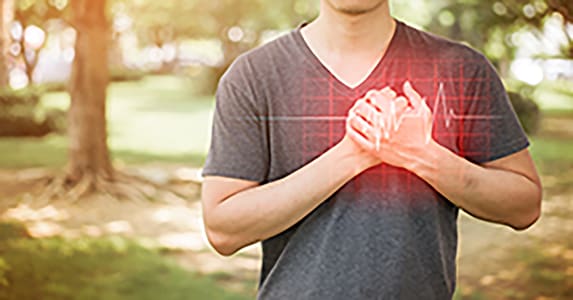
Supporting Heart Health at WE Seniors Edmonton: A New Resource for Our Members
At WE Seniors Edmonton, we are dedicated to the health and well-being of our members, and we know how important it is to stay informed about heart disease and stroke. That’s why we’re excited to introduce a new resource on our website, featuring valuable information from the Heart & Stroke Foundation of Canada.
Each month, we will review the latest news, research, and resources from Heart & Stroke Foundation and share key insights with you. Whether it’s tips for maintaining a heart-healthy lifestyle, recognizing the warning signs of stroke, or learning about the latest advancements in treatment and prevention, we want to ensure our members have access to trusted, up-to-date information.
By staying informed and taking proactive steps, we can all play a role in preventing heart disease and stroke. We invite you to check back regularly for updates and explore the resources that can help you and your loved ones live healthier, longer lives.
About the Heart & Stroke Foundation
The Heart and Stroke Foundation is an authoritative voice on heart disease and stroke – providing millions of Canadians with current news, information, opinions, and research from leading experts via our website, newsletters, and other publications.
With a vision of “Life. Uninterrupted by heart disease and stroke,” they’ve been working tirelessly for over 60 years to save lives, improve health, and promote wellness. Through ground-breaking research, advocacy, and community programs, they’re making a real difference in the lives of Canadians.
LATEST NEWS FROM HEART & STROKE FOUNDATION
Below are some of the highlights from their latest newsletter Healthline:
February is Heart Health Month
The Heart and Stroke Foundation of Canada states that prevention starts with knowing your risks. Nine in ten Canadians have at least one risk factor for stroke or heart disease. Eating healthy, being active and living smoke free can have a big impact on your health.
Being physically active is good for your heart. Aerobic type of exercise keeps your heart, lungs, and blood vessels healthy. So, show your heart a little love this February! Learn more from our Active Living Tip Sheet “Aerobic Fitness for Older Adults”.
How to balance comfort food with healthy eating
Comfort foods often remind us of good memories and make us feel cared for, whether it’s a bowl of soup or a sugary snack. While it’s fine to enjoy the foods you love, nutrition still matters for things like our immune system and heart health.
Wearable gadgets and free apps to support your health goals – Smart watches, monitors, apps and more
Marc Saltzman shares how tech tools can help you stay healthy — and what to keep in mind while using them.
Using tiny genetic clues to predict heart attack
Dr. Guillaume Paré is a DNA detective. His research helps predict early-onset heart attacks and could lead to a new kind of testing that will save young lives.
CPR saves lives
CPR is a life-saving skill that everyone can learn. Cardiac arrest (unlike a heart attack) occurs when the heart stops beating. The signs include sudden collapse and loss of consciousness. The person will also be unresponsive to touch or sound, and will not be breathing or will not be breathing normally. If you see someone in cardiac arrest, every second counts. It’s a critical medical emergency. Follow the steps below – and note that guidelines have been updated to recommend providing rescue breaths during CPR:
1. Phone 9-1-1- and shout for an AED.
2. Start CPR right away. Give 2 breaths, if willing, after every 30 compressions.
3. Use and AED as soon as one is available.
Recipes – Nutritious comfort foods
Strawberry mini muffins – Serves 12 / 35 min
Perfect for snacking, these bite-sized muffins use fresh strawberries to flirt with your taste buds.
Chocolate walnut brownies – Serves 16 / 30 min
You’ll love these fudgy and delectable brownies that pack in extra protein and fibre.
Understanding heart disease
Heart disease is a general term that means the heart is not working properly. Sometimes heart disease is present at birth (congenital heart disease), other times, it develops with age. Many forms of heart disease can be prevented by living an active, healthy lifestyle.
More about stroke
A stroke happens when blood stops flowing to any part of your brain, damaging brain cells. The effects of a stroke depend on the part of the brain that was damaged and the amount of damage done.