

McMaster Optimal Aging Portal
At WE Seniors Edmonton, we’re committed to connecting our community with trusted, evidence-based resources that support healthy aging. That’s why we’re sharing the McMaster Optimal Aging Portal—a free, research-driven website designed to help older adults, caregivers, and health professionals make informed decisions about health and well-being.
Looking for credible, evidence-based information to help you age well and manage your health? The McMaster Optimal Aging Portal is a free online resource for seniors, caregivers, and health professionals.
Explore trustworthy guidance on:
-
Exercise, nutrition, and healthy aging tips
-
Common health conditions and mental health
-
Caregiving and healthcare resources
Latest Updates
Are you taking five or more prescription medications?
If so, you’re not alone. 60% of Canadians aged 65+ take at least 5, and 25% take 10 or more.
Polypharmacy, taking five or more prescription medications, is common and often necessary to manage chronic conditions as we age. But when do the risks start to outweigh the benefits?
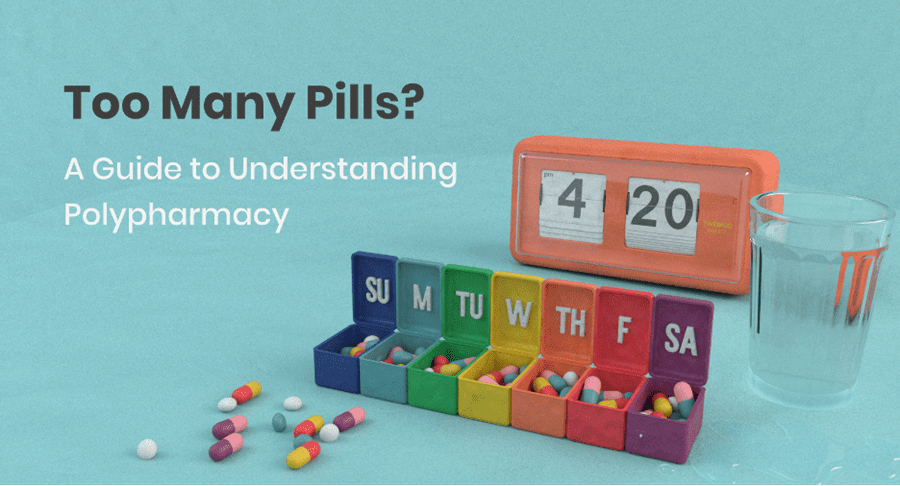
Take this 15-minute interactive lesson, ‘Too Many Pills? A Guide to Understanding Polypharmacy’ to explore:
- How aging affects the way our bodies process medications
- The risks of drug interactions
- Practical steps for a medication review with your healthcare team.
Video Posts
All video posts feature McMaster experts discussing a wide range of topics related to healthy aging.
Video Post 01: Don’t ignore the signs: Supporting men’s mental health as we age
Would you recognize the signs if a husband, son, brother, or friend was struggling with their mental health? Learn how signs of depression in men can look different, why many men don’t seek help, and how they can be supported.
Video Post 02: Beating the heat: What changes as we get older, and what to do about it
As we age, the body becomes less efficient at cooling itself, increasing the risk of heat exhaustion and heat stroke. Certain medications, chronic conditions, and social isolation can further raise that risk. The good news: a few practical adjustments to when and how you stay active can make hot weather far safer, without asking you to give up your summer.
Video Post 03: Understanding grief: What older adults and families need to know
Understanding how grief works, and how it may show up differently across ages and relationships, can help you make sense of your own experience and better support others. Learn how grief is a natural but complex response to loss and when additional support may be helpful. Discover helpful free resources.
Video Post 04: Taking control of your blood pressure: What the new guidelines mean for you
High blood pressure often has no symptoms, yet it remains one of the leading risk factors for heart disease, stroke, kidney disease, and dementia. Learn what the new 130/80 blood pressure target means, how hypertension is diagnosed today, and what you can do to protect your long-term health.
Blog Posts
All blog posts are written by trusted experts to inform and inspire healthy aging, using scientific evidence to provide credible insights on important topics and common conditions affecting seniors’ health.
Blog Post 01: From Sunshine to Snowfall — Ways to Manage Mental Health as the Seasons Change
SAD (seasonal affective disorder) can cause symptoms like sadness, low motivation, trouble concentrating, and loss of interest in activities you normally enjoy. The good news: there are proven ways to manage SAD and protect your mental health through fall and winter.
Blog Post 02: Dietitian-delivered nutrition therapy for prediabetes
Research investigates the role dietitians play in helping people living with prediabetes.
Blog Post 03: Minding our mouth health: 3 oral hygiene-related strategies
Research points to strategies that aim to improve our oral hygiene and other aspects of our health.
Blog Post 04: Water flossing vs. traditional flossing: What’s better for your teeth?
Research shows people have multiple effective options when it comes to flossing their teeth. While it’s recommended that we floss at least once a day, only 30% of Canadians are flossing at least five times a week.
Hitting the Headlines
When aging topics hit the headlines, the portal shares the best available related research evidence.
Headline 01: Staying safe from ticks and mosquitoes this summer
Ticks and mosquitoes shouldn’t keep you off the trail or out of the garden. Cover up, stay to the middle of the path, use repellent, and do a quick check when you head inside. With those habits in your back pocket, you can spend the rest of summer doing what you love, with a lot less to worry about.
Headline 02: Key factors to aging well
Headline 03: Digestive health: What you need to know (and what actually helps)
E-Learning
Do you have a lifelong learning mindset? If yes, explore this collection of lessons on mental health, exercise and mobility, brain health, and the newest topic, Cannabis and Older Adults. Most lessons can be completed in 15 minutes, and your progress is saved so you can easily return to where you left off. Stay healthy, active and engaged with these interactive lessons and resources!
Micro-Learning
Learn something new in just a few minutes each week with our free email-based micro-learning series.
Check back regularly for updates!